Skip to content

Deciding whether cosmetic surgery is appropriate involves more than selecting a procedure and booking an appointment. In Australia, cosmetic surgery is subject to specific requirements designed to support informed decision-making and patient safety. Understanding the referral process, consultation requirements and cooling off period can help you prepare for your appointment and give you time to consider your options carefully.
The Medical Board of Australia states that cosmetic surgery patients require a referral from a GP or another appropriate medical specialist. The referral provides relevant medical information and supports continuity of care. It is not a recommendation that a patient must have surgery or that they must use a particular practitioner.
Key Takeaways
- A referral is required for cosmetic surgery, including procedures such as facelift surgery and blepharoplasty.
- The referral should come from an independent GP or another medical specialist who does not provide cosmetic surgery or non-surgical cosmetic procedures.
- Cosmetic surgery patients must have at least two pre-operative consultations.
- At least one consultation must take place in person with the medical practitioner performing the surgery.
- Informed consent must be obtained only after the required consultations.
- A cooling off period of at least seven days applies after the required consultations and informed consent before the surgery can be booked or a deposit paid.
These requirements are important because cosmetic surgery is an invasive medical treatment and a significant decision. The aim is not simply to add steps to the process. It is to give patients sufficient opportunity to understand the proposed procedure, consider alternatives, ask questions and make a decision without pressure.
Why This Process Exists
Cosmetic surgery differs from many other forms of healthcare because it is generally elective and may involve permanent or long-lasting changes. The Medical Board of Australia recognises that cosmetic surgery can involve significant risks and that people considering these procedures may be particularly vulnerable to persuasive advertising or unrealistic expectations. Advertising is therefore expected to support informed decision-making rather than encourage people to undergo surgery through pressure or inducement.
A careful consultation process also creates an opportunity to consider whether surgery is actually appropriate. A consultation should not be treated as a commitment to proceed. It is an opportunity for you and your specialist to discuss your concerns, medical history, available options, potential risks, likely recovery and whether the proposed procedure is suitable in your circumstances.
For people researching facial procedures, the facial procedures available in Sydney provide an overview of the different surgical options that may be discussed depending on individual needs and anatomy.
GP Referral Requirement
A GP referral is required before proceeding with a cosmetic surgery consultation. This applies to cosmetic surgery procedures such as facelift surgery, eyelid surgery, rhinoplasty, liposuction and fat transfer. The Medical Board distinguishes cosmetic surgery from non-surgical cosmetic procedures, which are subject to different requirements.
The purpose of the referral is broader than simply providing permission. A GP can provide relevant medical history, medications and information about existing health conditions. A GP consultation can also provide an opportunity to discuss why you are considering surgery and whether there are health or psychological considerations that should be addressed before moving forward.
Who Can Provide the Referral?
The Medical Board states that the referral should come from a GP or another medical specialist who is independent of the practitioner providing the cosmetic surgery. The referring practitioner must not provide cosmetic surgery or non-surgical cosmetic procedures themselves.
It is preferable for the referral to come from your usual GP because your regular doctor is more likely to have a complete understanding of your medical history. However, the Medical Board allows patients to see another appropriate GP if necessary.
What Should the Referral Include?
The referral does not need to make the final decision about surgery. The Medical Board indicates that, at minimum, the referral should include the reason for the referral and relevant patient history. It can also identify the nature of the patient’s request without dictating which procedure must ultimately be performed.
When preparing for your referral appointment, it may be helpful to tell your GP what you are considering, what concerns you would like assessed and whether you have any relevant previous diagnoses, operations or medications.
The Two Consultation Rule
Patients seeking cosmetic surgery must have at least two pre-operative consultations. The current Medical Board guidance states that the first consultation may be with the medical practitioner performing the surgery or another registered health practitioner working with that practitioner, provided that person is not simply a patient adviser or agent. At least one of the two consultations must be in person with the medical practitioner who will perform the surgery.
This gives patients more than one opportunity to understand the proposed treatment. It also means the decision should develop through a proper medical process rather than being driven by a single sales conversation or an immediate response to advertising.
What Happens at the First Consultation?
The initial consultation is an opportunity to discuss what is concerning you, review your medical history and consider whether surgery is appropriate. For someone considering facelift surgery in Sydney, for example, the discussion may cover facial ageing, the areas that have changed, surgical options, risks, scarring and the expected recovery process.
Patients considering eyelid surgery in Sydney may need to discuss the upper or lower eyelids, excess skin, under-eye changes, functional concerns and whether other procedures may be more appropriate.
Why Is a Second Consultation Important?
The second consultation gives you another opportunity to revisit the information from the first appointment. You may think of additional questions after leaving the first consultation, talk with your family or GP, review the written information you have been given and reconsider whether the procedure fits your circumstances.
A considered decision can change after a consultation. You may decide that surgery is appropriate, that another procedure is more suitable, or that you do not want surgery. A proper consultation pathway should allow all of those decisions.
Understanding the Cooling Off Period
The cooling off period is a mandatory part of the cosmetic surgery process. Under the Medical Board’s current guidance, there must be a cooling off period of at least seven days after the patient has completed the required consultations and given informed consent. The surgery cannot be booked, and a deposit cannot be paid until that period has passed.
AHPRA’s public cosmetic surgery information similarly explains that patients should receive enough information to make an informed decision and that at least seven days must pass after consent before surgery is booked or payment is made.
Use the Cooling Off Period to Reconsider
The cooling off period is useful because medical decisions deserve time. After a consultation, you may think of questions about anaesthesia, recovery, scarring, work, exercise, cost or possible complications that you did not think to ask on the day.
Healthdirect recommends that people considering cosmetic surgery ask about qualifications, risks, alternatives, anaesthesia, aftercare, costs and what results can reasonably be expected.
You can also read Dr John Flood’s detailed information on facelift surgery or eyelid surgery before your next discussion with your specialist.
Questions to Ask Before Booking
It is useful to arrive at a consultation with questions written down. Healthdirect recommends asking about qualifications, risks, complications, alternative options, anaesthesia, aftercare, costs and the likely outcome.
Questions About the Procedure
- What is the proposed procedure designed to address?
- What concerns or changes will the procedure not address?
- Why is this procedure being recommended for my individual anatomy and circumstances?
- Are there other surgical options that may be appropriate for me?
- Are there non-surgical options I should consider before deciding on surgery?
- Would another facial procedure provide a more appropriate approach for my concerns?
- Should changes in the neck also be assessed if I am considering facelift surgery?
- Would a neck lift be considered separately or as part of a broader facial surgical plan?
Questions About Risks and Recovery
- What risks and potential complications are relevant to me?
- Are there factors in my medical history that may affect my risks?
- What should I realistically expect during the recovery period?
- How much time may I need away from work?
- When can I resume normal daily activities?
- When can I return to exercise and other physical activities?
- What wound care will I need after surgery?
- What follow-up appointments will be required?
- What symptoms or changes should prompt me to contact the practice?
- What should I do if an unexpected problem occurs during recovery?
Questions About Costs
- What is the total expected cost of the proposed procedure?
- What does the quoted cost include?
- Are there separate costs for the surgeon, anaesthesia or the surgical facility?
- Are postoperative consultations and aftercare included?
- Are there any other costs I should understand before making a decision?
- Does Medicare or private health insurance apply to any part of the treatment in my circumstances?
- When would payment be required?
You can review information about the facelift surgery process before discussing fees with the practice. Your individual cost will depend on the procedure recommended, the surgical setting and other circumstances discussed during consultation.
What to Bring to Your Consultation
Preparation can make a consultation more productive. Bring your GP referral and any relevant medical information that your doctor has asked you to provide.
You may also wish to bring a written list of medications, details of previous procedures, relevant health information and your own questions. If another doctor or specialist is involved in your care, ask whether reports or records should be forwarded before the appointment.
Keep Your Questions Simple and Specific
Questions do not need to be technical. Asking what the operation involves, what risks are most relevant to you, how long recovery may take and what alternatives exist can be more useful than trying to memorise medical terminology.
Healthdirect’s guide to cosmetic surgery provides additional independent information about choosing a practitioner, understanding risks, asking questions and considering alternatives.
Review Your Decision After the Consultation
You do not need to make a decision simply because you have attended an appointment. The consultation is there to help you understand your options.
The Medical Board’s advertising guidance emphasises that cosmetic surgery advertising should provide information that supports informed decisions rather than exploit insecurity, create unrealistic expectations or encourage unnecessary procedures.
Cosmetic Surgery and Reconstructive Surgery Are Different
The referral and cooling off requirements described in this article relate to cosmetic surgery. The Medical Board defines cosmetic surgery as surgery performed with the dominant purpose of changing the appearance of normal bodily features. Reconstructive surgery is different because it restores form and function following conditions such as disease, injury or developmental differences.
This distinction matters for patients who are seeking treatment following skin cancer or another medical condition. Dr John Flood also provides facial skin cancer surgery and post-Mohs reconstruction, where treatment is focused on medical and reconstructive needs rather than purely cosmetic change.
A Considered Process Supports Better Decisions
Understanding the referral, consultation and cooling off requirements can make the cosmetic surgery process easier to navigate. More importantly, these steps provide time to gather information, consider alternatives and understand what surgery and recovery will involve before making a decision.
A consultation should leave you better informed about the proposed procedure, the relevant risks and the alternatives available. It should also be clear that individual outcomes vary and that surgery is not guaranteed to achieve a particular appearance. The Medical Board specifically requires cosmetic surgery advertising to avoid unrealistic expectations and to explain that results vary between individuals.
Take the Next Step With the Right Information
Preparing for cosmetic surgery starts with understanding the process, not rushing towards a procedure. A GP referral, appropriate consultations and the cooling off period provide a structured opportunity to ask questions and consider whether surgery is right for you.
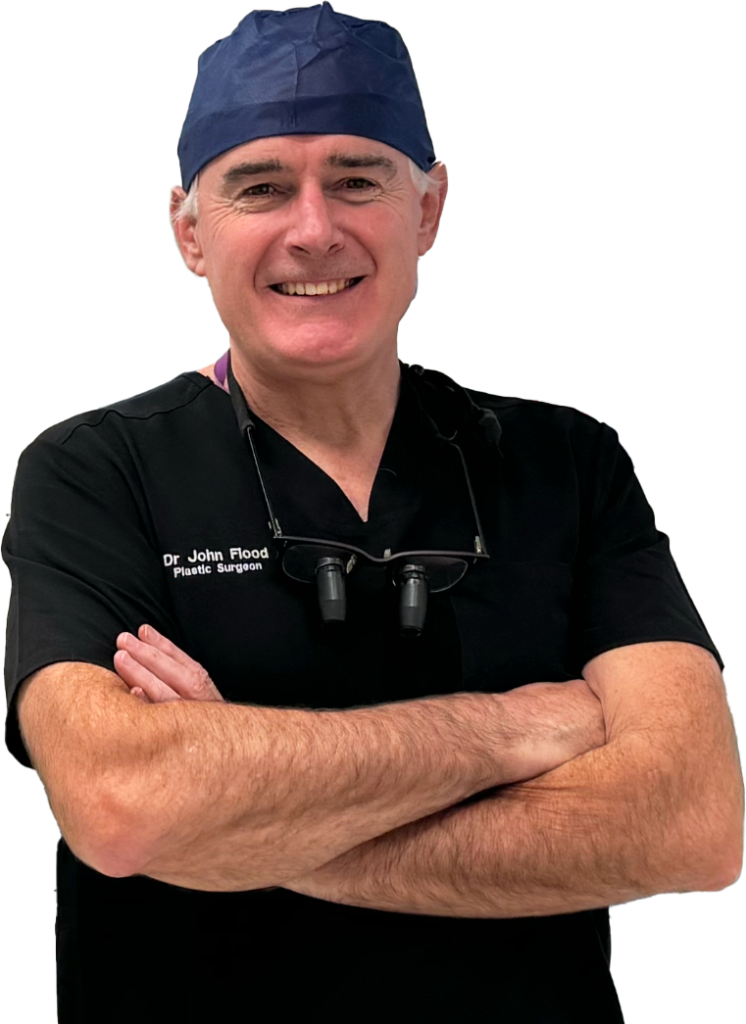
Dr John Flood is a specialist plastic and reconstructive surgeon in Sydney and holds specialist registration in surgery, plastic surgery. The practice provides consultations across Hornsby, Mona Vale and Greenwich.
For information about the consultation process and available procedures, visit Dr John Flood’s procedures or contact the practice.